
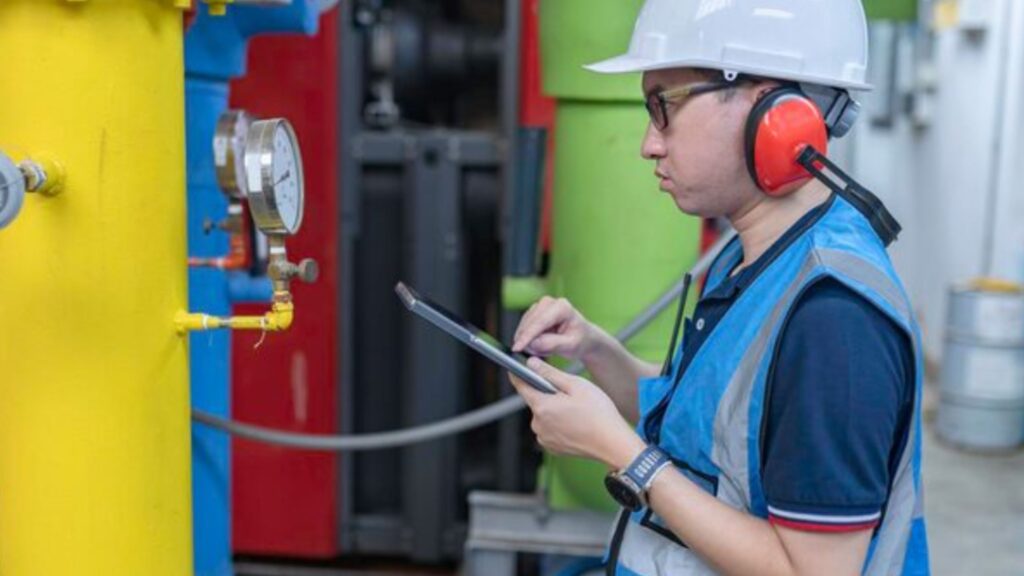
Automated gas systems play an important role in modern industrial workplaces. They can regulate pressure, control gas flow, monitor operating conditions, and automatically respond to abnormal situations. These capabilities can improve process consistency, but they also introduce safety requirements that must be addressed during design, installation, operation, and maintenance.
Industrial facilities may use compressed gases, liquefied petroleum gases, inert gases, oxidizing gases, flammable gases, or specialty gases. Each material presents different hazards, including fire, explosion, toxicity, oxygen displacement, and pressure-related risks. Consequently, automated systems must be designed around the properties of the gases involved and the conditions under which they are used.
Workplace requirements vary by country and application. In the United States, OSHA regulations address compressed gases, liquefied petroleum gases, hazardous locations, hazard communication, emergency planning, and process safety management. These requirements provide a useful framework for understanding the principal safety considerations for automated gas installations.
Understanding the Hazards of Automated Gas Systems
An automated gas system can include storage containers, regulators, piping, valves, sensors, pressure controls, flow controls, alarms, and automatic shutoff devices. Because these components operate as an interconnected system, a failure in one part can affect the rest of the installation.
Pressure and Mechanical Hazards
Compressed gases store significant energy because they are maintained under pressure. A damaged cylinder, failed connection, defective regulator, or improperly maintained pressure-relief device can create serious hazards.
OSHA requires employers to determine that compressed gas cylinders under their control are in safe condition through appropriate inspection. It also requires the handling, storage, and use of compressed gases to follow applicable requirements for safe equipment and practices.
Automated systems should therefore incorporate suitable pressure regulation and protection. Pressure-relief devices must be correctly selected, installed, maintained, and compatible with the system’s operating conditions.
Fire and Explosion Risks
Flammable gases require additional controls because an uncontrolled release can create a combustible atmosphere. Electrical equipment can also become an ignition source when it is installed in an area where flammable gases or vapors may be present.
OSHA’s requirements for hazardous locations establish classifications based on the properties of flammable gases, vapors, liquids, or other combustible materials and the likelihood that hazardous concentrations may occur. Electrical equipment and wiring must be appropriately selected for the classified location.
This means automation cannot be considered separately from the physical environment. Sensors, control equipment, wiring, valves, and other electrical components must be suitable for the hazards identified during the system design.
Designing Automated Gas Systems for Safety
Safety should be incorporated into the system before equipment is installed. A properly designed installation considers the gas properties, operating pressures, expected flow rates, ventilation, potential leak locations, ignition sources, and consequences of equipment failure.
Use Appropriate Components and Materials
Every component should be suitable for the specific gas and operating conditions. Materials that are compatible with one gas may not be appropriate for another. Pressure ratings, temperature ranges, connection types, seals, tubing, and valve construction must all be considered.
For liquefied petroleum gas systems, OSHA specifies requirements covering containers, regulators, relief devices, piping, hoses, and other system components. The regulation also requires piping and tubing to be tested after assembly and demonstrated to be free from leaks.
The same principle applies broadly to industrigasser: equipment should be selected according to the physical and chemical characteristics of each gas rather than treated as interchangeable.
Incorporate Automatic Shutoff Functions
Automation can provide an important layer of protection when abnormal conditions occur. Depending on the application, a system may be designed to stop gas flow when it detects excessive pressure, insufficient ventilation, abnormal temperature, loss of flame, or a detected gas leak.
Automatic shutoff functions should have clearly defined operating limits and failure responses. They should also be tested periodically to confirm that the intended protective action occurs when required.
For liquefied petroleum gas installations, OSHA specifically addresses devices such as excess-flow valves and shutoff valves with remote-closing capabilities in situations where they are needed to protect against uncontrolled gas discharge.
Provide Adequate Ventilation
Ventilation is a fundamental part of gas safety. A leak can produce an unsafe atmosphere even when the amount released appears relatively small, depending on the properties of the gas and the characteristics of the space.
Some gases can displace oxygen, while flammable gases can create an explosive atmosphere. OSHA’s hazard communication requirements recognize simple asphyxiants as substances capable of displacing oxygen and causing oxygen deprivation.
Ventilation design should therefore consider where leaked gas could accumulate. Automated detection and ventilation systems should complement one another rather than being treated as independent safety measures.
Gas Detection and Alarm Systems
Gas detection can provide an additional layer of protection by identifying abnormal concentrations before they develop into a more serious incident. Detection requirements depend on the gases used, the process, and the applicable regulations.
Position Sensors According to Risk
Sensors should be located according to the physical properties of the gas and the potential leak points. For example, the behavior of a gas that is heavier than air can differ substantially from that of a gas that tends to rise.
Detection systems should also account for storage areas, manifolds, connections, process equipment, enclosed spaces, and other locations where releases could occur.
Connect Alarms to Appropriate Responses
A detector is most useful when its signal produces an appropriate response. Depending on the risk assessment, an alarm may initiate evacuation, activate ventilation, isolate a gas supply, stop a process, or notify trained personnel.
Alarm systems should have defined thresholds and documented response procedures. Employees must understand what different alarms mean and what actions they are expected to take.
Safe Handling of Propane and Other Fuel Gases
Propane and other liquefied petroleum gases require particular attention because they can form flammable mixtures with air. OSHA’s rules for LP-Gas address storage, containers, piping, regulators, relief devices, ignition sources, ventilation, and personnel training.
An automated propane installation, sometimes described informally using terminology such as propan automat, should still be evaluated as a complete gas system. Automation does not eliminate the need for appropriate physical protection, ventilation, pressure control, inspection, and emergency procedures.
OSHA also requires personnel performing installation, removal, operation, and maintenance work on LP-Gas systems to be properly trained for their functions.
Inspection, Testing, and Maintenance
Automation does not remove the need for regular inspection. Sensors can drift, valves can fail, seals can deteriorate, regulators can malfunction, and control systems can develop faults.
Verify Safety Devices Regularly
Safety-related components should be inspected and tested according to applicable requirements and the manufacturer’s technical specifications. Particular attention should be given to pressure-relief devices, automatic shutoff valves, gas detectors, alarms, regulators, and emergency isolation systems.
For covered processes involving highly hazardous chemicals, OSHA’s process safety management requirements include information about safety systems such as interlocks and detection systems. The standard also requires appropriate inspection and maintenance practices for covered equipment.
Test the Complete System
Individual components may function correctly while the complete system still contains a weakness. Integrated testing can determine whether sensors, controllers, alarms, valves, and emergency functions operate together as intended.
Testing should include normal operating conditions as well as relevant abnormal scenarios. Records should identify the equipment tested, test date, findings, corrective actions, and responsible personnel.
Employee Training and Hazard Communication
Even highly automated installations require knowledgeable employees. Operators and maintenance personnel should understand the gases present, potential hazards, alarm conditions, isolation procedures, and emergency actions.
OSHA’s Hazard Communication Standard requires employers to maintain safety data sheets for hazardous chemicals used in the workplace and provide employees with information and training about chemical hazards and protective measures. Training also includes methods that may be used to detect hazardous chemical releases.
Training should be appropriate to the employee’s responsibilities. Operators may need to understand alarms and normal system controls, while maintenance personnel may require additional instruction on isolation, depressurization, inspection, and other servicing procedures.
Emergency Planning for Gas Releases
A gas release can develop rapidly, making emergency planning essential. Procedures should establish how employees report an emergency, evacuate the workplace, account for personnel, and respond to specific hazards.
OSHA’s emergency action plan requirements include procedures for reporting emergencies, evacuation, accounting for employees, and designated responsibilities. Employers must also train employees who assist with orderly evacuation.
For automated gas systems, emergency procedures should clearly identify isolation points and explain when employees should avoid attempting intervention. Emergency plans should also be reviewed whenever responsibilities, equipment, or workplace conditions change.
Process Safety and Risk Management
Larger or more complex facilities may require a broader process safety approach. OSHA’s Process Safety Management standard applies to certain processes involving highly hazardous chemicals and emphasizes preventing or minimizing the consequences of catastrophic releases.
A process hazard analysis can examine potential failures involving gas storage, piping, controls, instrumentation, ventilation, alarms, and safety systems. The analysis can also evaluate deviations involving pressure, temperature, flow, composition, and other operating parameters.
For covered processes, OSHA requires process safety information to address equipment, technology, hazards, safe operating limits, relief systems, ventilation, electrical classification, and safety systems.
Building a Safer Automated Gas Workplace
Safety standards for automated gas systems should be treated as part of a complete risk-management strategy rather than as a checklist applied after installation. Safe operation begins with understanding the gas hazards and continues through engineering, equipment selection, installation, commissioning, training, inspection, maintenance, and emergency planning.
Automation can strengthen workplace protection by monitoring conditions and responding rapidly to abnormal events. However, automated controls must themselves be properly designed, tested, maintained, and integrated with physical safeguards.
The most effective approach is therefore layered. Pressure protection, compatible materials, ventilation, gas detection, automatic isolation, suitable electrical equipment, employee training, inspection, and emergency procedures should work together. When these elements are coordinated with applicable workplace regulations and recognized engineering practices, automated gas systems can support reliable industrial operations while reducing the risks associated with hazardous gases.