
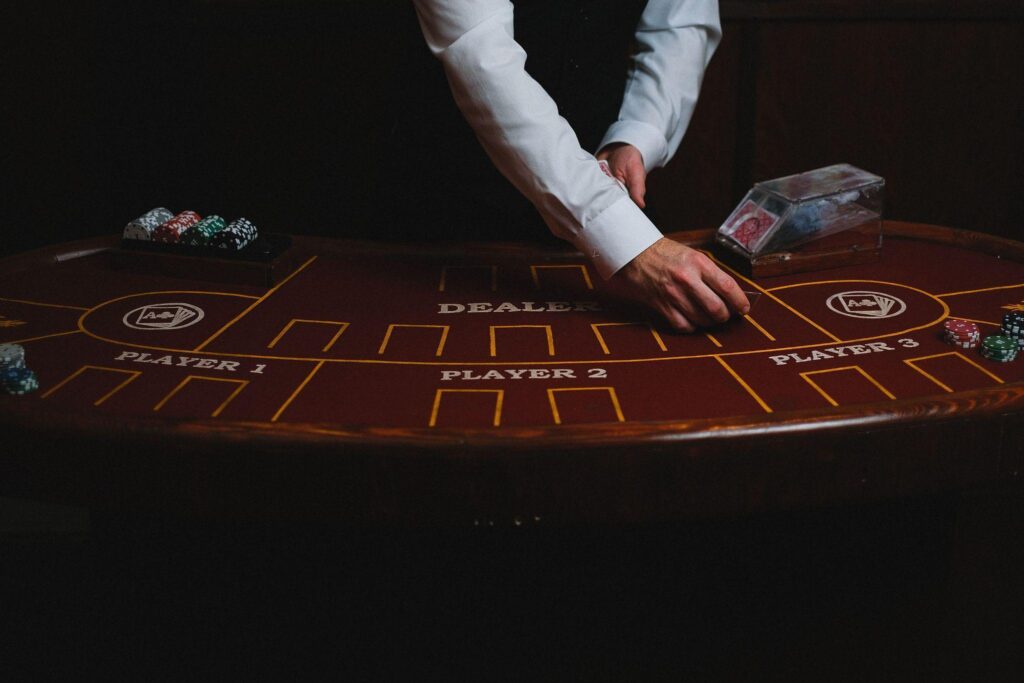
Digital table games no longer need to rely entirely on computer-generated environments. Live dealer technology connects players to physical gaming tables through real-time video, creating an experience built around actual dealers, cards, tables, and immediate interaction.
Several technologies work together behind the scenes to make that possible. High-definition cameras capture the action, streaming systems deliver it to player devices, and specialized software translates physical events into information displayed on screen. Understanding these elements explains how live gaming combines a physical setting with digital access.
Live Streaming Brings the Table to the Screen
Video streaming provides the visual foundation of the experience. Cameras positioned around a studio capture the dealer, table, cards, and other relevant activity from angles designed to give players a clear view of what is happening.
Unlike prerecorded footage, a live stream captures the action as it happens. At a live dealer casino, players watch the dealer handle physical cards and conduct each round in real time. Digital controls complement the video, keeping selections and game information accessible while the live table remains the focus.
Several features support the stream:
- High-definition cameras provide detailed views of the table.
- Multiple camera angles highlight different parts of the action.
- Streaming technology delivers footage to computers and mobile devices.
- Audio carries dealer instructions and other table sounds.
Together, these elements keep the physical table at the center of the digital experience rather than treating it as a visual background. Players follow the action directly on screen while the technology supports the session with clear information and responsive controls. This combination preserves the feel of a live table while making participation possible through a connected device.
Game Software Connects Players With Physical Action
The video feed shows what happens at the table, but software makes the session interactive. A digital interface sits alongside or over the stream, giving players access to available selections, game information, controls, and other features relevant to the table.
This connection between physical and digital elements is important. A player does not need to communicate every selection verbally. Instead, inputs made through the interface are recorded electronically and connected with the corresponding round at the physical table.
Software also organizes information that would otherwise be difficult to follow through video alone. Depending on the game, the screen might display previous results, card values, countdown timers, or the current stage of play.
The result is a coordinated experience in which the interface supports rather than replaces the dealer. Players still watch the physical action unfold, while digital controls provide a practical way to participate through a computer, tablet, or smartphone.
Optical Technology Turns Table Activity Into Digital Data
Live tables need a reliable way to connect physical events with the information appearing on a player’s screen.
Cards Become Readable Data
Video recognition technology can identify information from physical game activity and convert it into digital data. This allows relevant details to appear within the interface while the dealer continues managing the physical game at the table.
The technology works alongside the video rather than changing the visible game. Players still watch cards being dealt normally, while the system records information needed for the digital interface.
Sensors Track Other Table Events
Some live games use additional equipment to register physical activity. Sensors and specialized devices can help identify events occurring at the table and communicate them to the supporting software.
These systems connect the studio with the digital platform. Physical actions become synchronized data, allowing the interface to stay aligned with what players see happening during the live stream.
Low Latency Keeps the Experience Responsive
Real-time gaming depends heavily on timing. If the video arrives noticeably later than the digital information, the experience can feel disconnected. Streaming systems therefore aim to keep latency low and maintain synchronization between the physical table and player interface.
A responsive connection supports several important parts of a session:
- Dealer actions appear with minimal transmission delay.
- On-screen controls correspond with the current stage of play.
- Countdown timers remain aligned with activity at the table.
- Game information updates as the session progresses.
Internet connection quality and device performance can also affect how smoothly the stream appears. A stable connection helps maintain consistent video and reduces interruptions during real-time viewing.
Streaming technology must also adjust to different devices and connection conditions. Adaptive video delivery can modify stream quality when necessary, helping maintain continuity when available bandwidth changes instead of requiring every player to receive identical video quality.
Studios Create the Physical Side of Digital Play
Although players access live tables online, much of the experience begins inside a physical studio. These spaces are designed specifically for broadcasting table games, with lighting, cameras, microphones, gaming equipment, and dealer stations arranged for continuous live transmission.
The dealer remains a central part of this setup. Dealers manage physical game equipment, follow the table procedures, and communicate information as each round progresses. Their presence gives the stream a human element that fully automated digital formats do not reproduce in the same way.
Studio design also supports visual clarity. Lighting needs to make cards and table details visible without creating distracting reflections, while camera placement must capture important activity without obstructing the dealer.
Some platforms add interactive functions such as text chat, allowing players to communicate through the interface. These features extend the real-time concept beyond video by creating another connection between the player, dealer, and physical studio environment.
Technology Connects Two Gaming Environments
Live dealer technology works because the physical table and digital interface operate as parts of the same experience. Cameras provide the visual connection, software handles player inputs, recognition systems translate physical activity into data, and low-latency streaming keeps those elements synchronized.
For players, much of this technology remains in the background. What appears on screen is a straightforward live table with accessible digital controls. Behind that presentation is a coordinated system designed to make physical table activity available through connected devices in real time.