
The fast-moving world of online entertainment in Canada is undergoing a deep technological revolution. As tech-savvy individuals move away from older networks, the modern market demands higher security, full data transparency, and faster processing speeds. For platform developers, keeping up with this demand means completely rebuilding backend frameworks. Moving past simple data storage, current platforms use advanced automation and cryptographic architecture to protect user interactions and manage complex database operations. This paradigm shift ensures that digital platforms operate with high levels of structural safety, changing how modern consumers evaluate digital reliability and interactive entertainment.
Distributed Infrastructure and the Elimination of Data Vulnerabilities
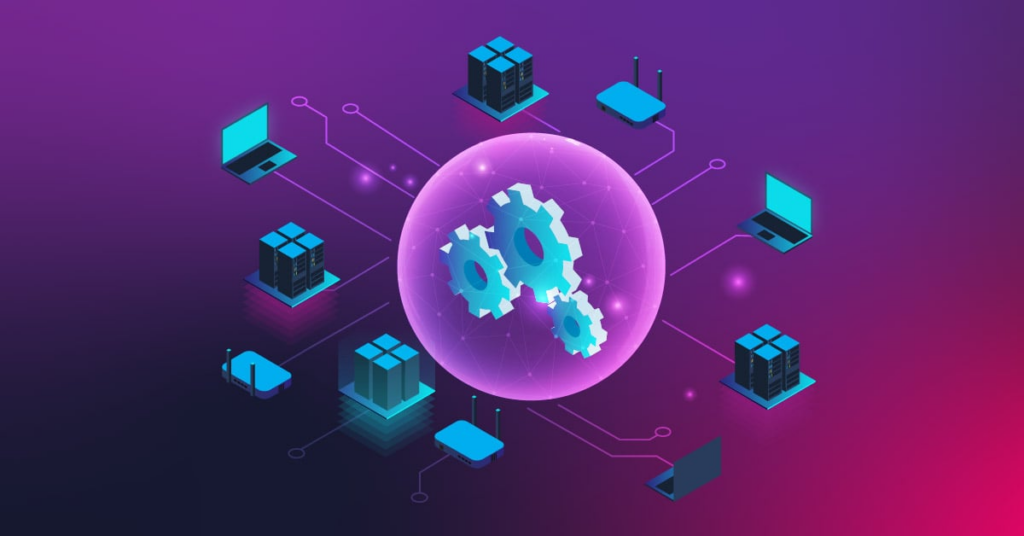
At the very core of modern platform engineering is the transition from centralized data hubs to highly secure distributed infrastructure. Relying entirely on single-server setups introduces distinct vulnerabilities, including the threat of unauthorized access, database errors, and operational delays during high-traffic windows. By distributing data networks across separate nodes, modern architectures ensure that systemic data remains securely backed up and resistant to unauthorized alterations.
This distributed framework relies heavily on end-to-end data encryption and strict network access controls. Because data updates are synchronized simultaneously across the network, modifying historical records without system authorization becomes impossible. For users, this structural setup guarantees that personal profiles, session histories, and platform operations remain completely safe from data tampering, setting a fresh baseline for data handling throughout the interactive tech sector.
Cryptographic Operations and the Optimization of Platform Trust
As digital ecosystems become increasingly complex, building and maintaining user trust requires highly objective verification methods. Instead of relying on manual auditing protocols, cutting-edge platforms implement algorithmic fairness systems that utilize cryptographic technology. This technology allows users to audit operations instantly, ensuring that all outcomes are handled by unbiased math rather than behind-the-scenes manipulation.
This technological evolution is particularly clear within the modern online gaming sector, where data transparency is paramount. Canadian users looking for high levels of transparency regularly select advanced platforms that focus heavily on cryptographic validation. For instance, individuals exploring modern entertainment choices can visit Fairspin to see firsthand how open data protocols and immutable system ledgers work together to build a safe, user-centric online environment. By placing public verification engines directly at the center of the platform, operators are successfully eliminating systemic ambiguity.
Automated Smart Contracts and Instant Transaction Settlement
Alongside data security, optimizing processing speeds within financial transaction pipelines remains a primary technical goal. Traditional payment processing routes, which often rely on a series of intermediate banks and clearinghouses, introduce structural delays and extra operational costs that slow down overall performance.
Modern platforms address these bottlenecks by embedding automated smart contracts straight into their payment processing systems. These self-executing code structures carry out transactions automatically the exact moment specific system requirements are fulfilled.
The deployment of automated transactions brings several distinct technical benefits to digital platforms:
- Immediate Settlement: By removing human validation, withdrawals and transfers are settled in minutes rather than business days.
- Reduced Overhead: Direct peer-to-peer data pathways lower transaction fees, saving money for both operators and end-users.
- Enhanced Traceability: Every automated transaction is permanently written to the system ledger, building an auditable trail that simplifies regulatory compliance.
Scalability Vectors and the Landscape of Future Digital Environments
Looking ahead, the next technical phase for online entertainment platforms involves managing the massive compute loads required by next-generation web technologies. As edge computing and real-time data analytics become fully integrated into daily consumer apps, backend networks must handle huge micro-transaction volumes without suffering from latency or system strain.
To solve this scaling challenge, software engineers are actively creating multi-tiered system layouts where primary processing occurs on optimized secondary layers. This architecture preserves maximum speed and stability, even when millions of concurrent global actions hit the system. Backed by modern Canadian tech standards that prioritize user safety and data protection, the digital architecture sector is well-positioned to deliver secure, responsive, and robust virtual environments for years to come.